Frequently Asked Questions
-
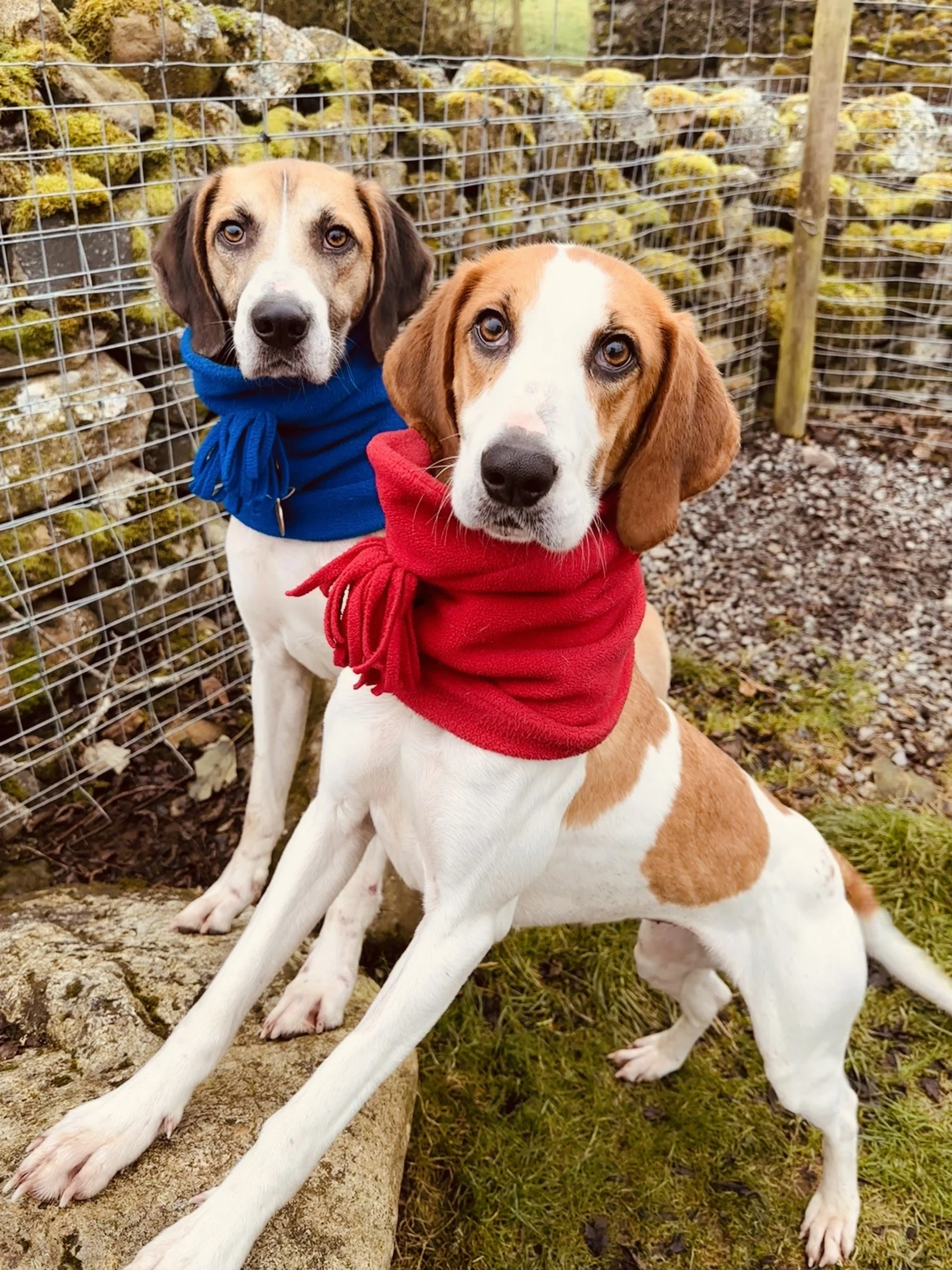
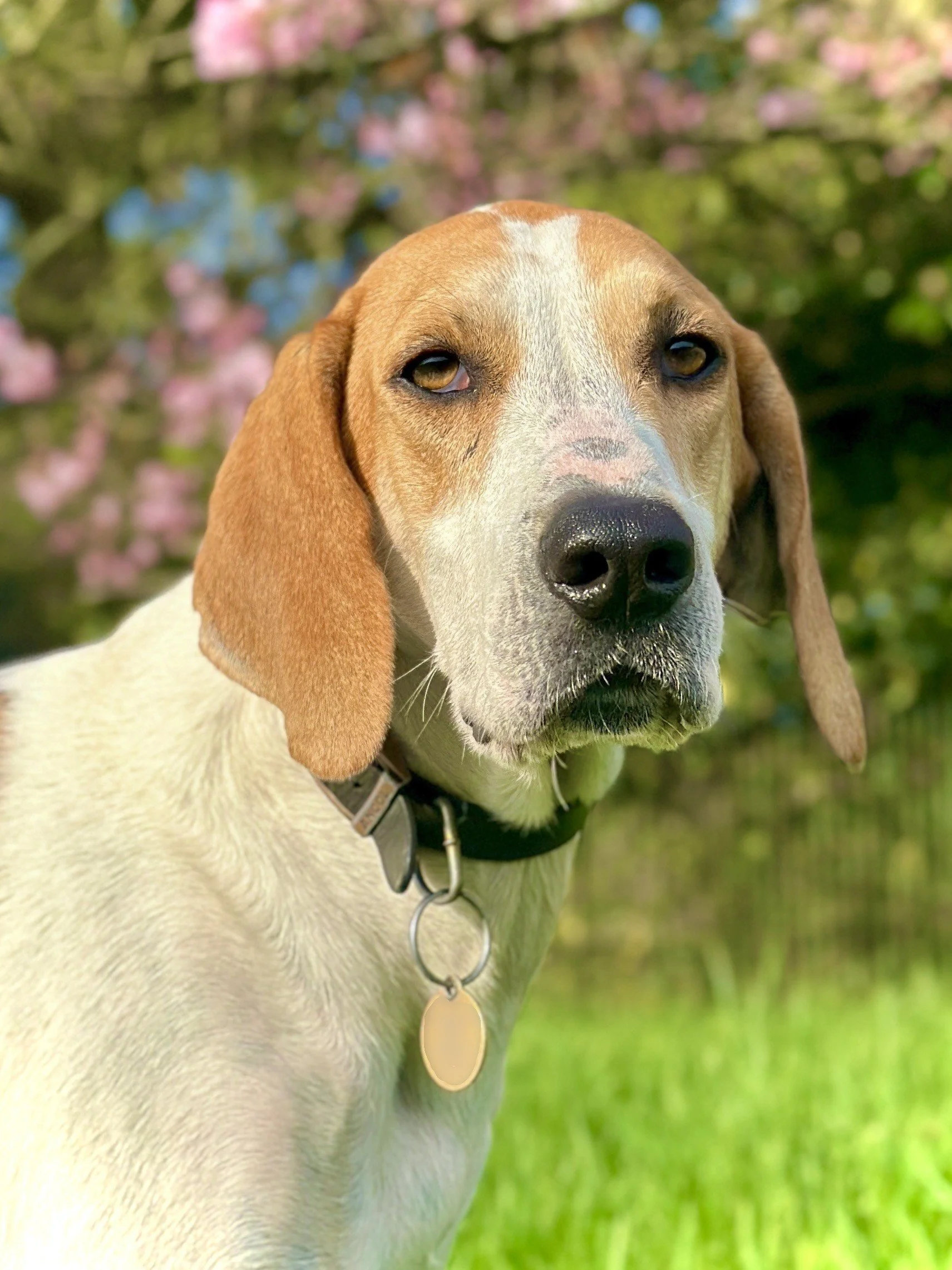
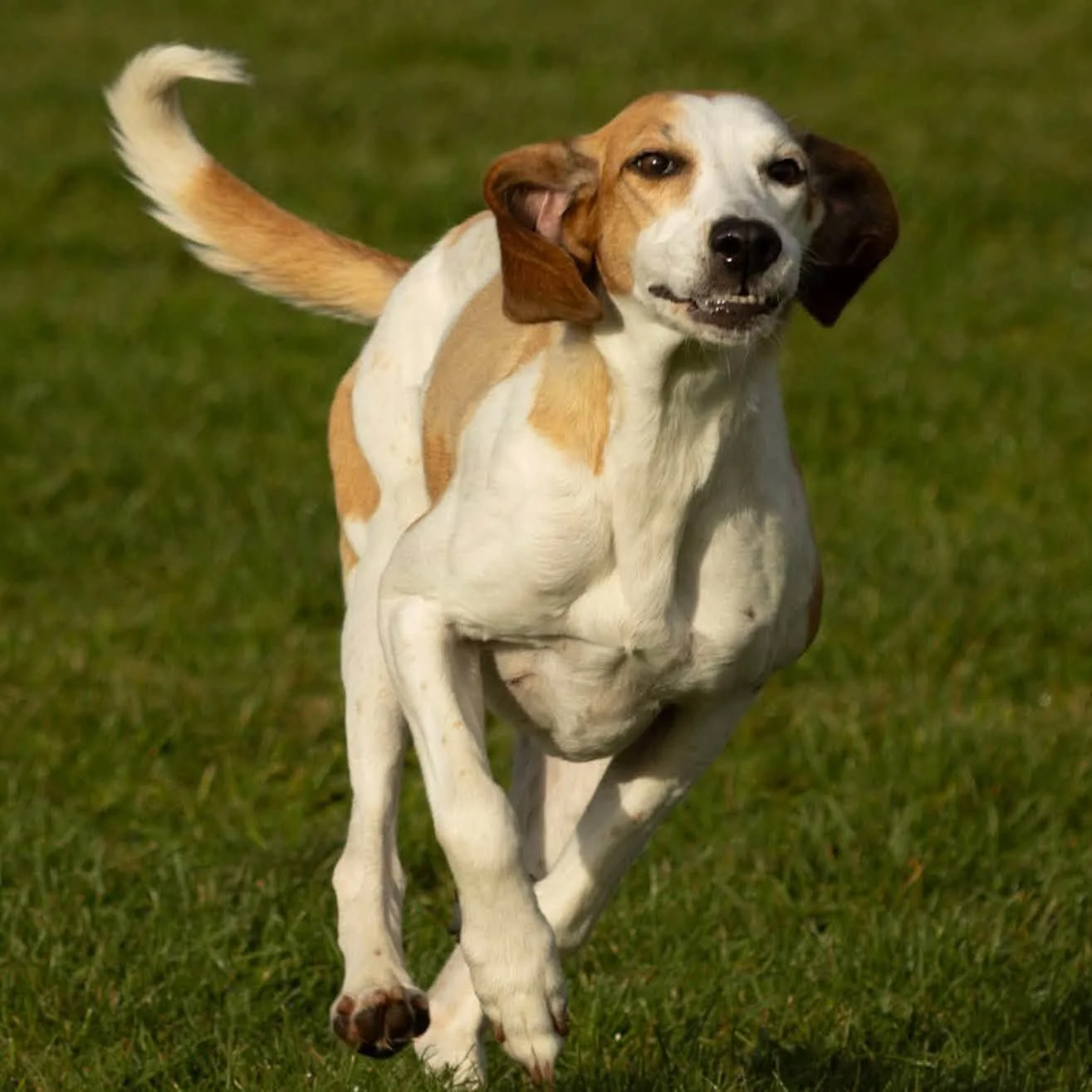
Trailhounds (also known as trailies) look similar to foxhounds but are leaner in build. They originally were bred from foxhounds with other crosses to get a faster hound with a good nose. Various out-crosses were tried many years ago before the present type evolved, including pointer, harrier and sheepdog. Nowadays, only a foxhound is very occasionally bred with a trailhound. They are bred for stamina and speed. A 10 mile trail takes between 25 minutes and 40 minutes and typically covers all terrain, from low-lying pasture to steep fell sides with streams, walls and ditches to be crossed in-between.
-
Hound trailing/ racing is a sport which takes place all over the Lake District between April and October. It dates back over 200 years. Individual racing owners train their hounds and take them to race meetings, which are held most days throughout the summer. The hounds run a circular route of around 10 miles over field and fell, following a strong aniseed and paraffin scent. Owners and spectators wait at the meet, where bets are also laid on the outcome.
For more details about hound trail racing, see the Hound Racing Association (previously known as the Hound Trailing Association) website.
The HRA website also has excellent videos about hound racing.
-
Hound trail racing is very competitive and is run under strict rules. Hounds which continually try to play or ‘interfere’ with other hounds during the race can be banned from racing in future. Some young hounds are just not interested in following the trail. Some may have a minor injury which would preclude them from the rigours of racing but does not affect them as a pet. Many hounds finish their racing career when six or seven years old but still have many years of active life left in them. Trailhounds may live to 15 or 16 years. Lakeland Trailhound Welfare works closely with racing owners to help to find them good retirement homes. Not all retired Trailhounds are re-homed though - owners are very fond of their hounds, and often keep them when retired.
-
Trailhounds have wonderful temperaments and are very affectionate and loyal. They are friendly towards other pets and children. They adapt quickly to indoor life and soon discover the warmest, cosiest spot in the house.
Trailhounds will have been well trained to ignore livestock and other animals when they were racing. It is not their nature to chase things in the way a sight hound might, but they do love to put their noses down and follow a scent. However, it is important to continue to remind a new hound that livestock is to be ignored. A new owner should always walk their hound on lead around livestock.
They are used to travelling in cars and, although they are big dogs, they fold up quite nicely on the back seat! They are friendly, playful and lots of fun. Many people who adopt a trailie say they will never have another breed. A lot of owners go on to get a second hound.
Trailhounds are very adaptable. Some now take part in agility and bikejoring competitions. Some have gone on to do PAT work (Pets As Therapy). There is now a wealth of new activities taking place all over the country that taps into what hounds are good at, namely Scentwork and Mantrailing.
-
An individual racing owner may have one or more hounds which are normally kept in outdoor kennels. So when first re-homed they are not normally house-trained. They are very quick to learn, but for the first few days, a big dog can equal big puddles! Many hounds understand right from the start and never have an accident indoors. Management is the key: plenty of trips to the garden is normally all that is required to build up good habits.
For any dog that is re-homed, it is a big change in its life. Hounds are no different. Many settle in to their new home very quickly but for others, it can take longer. They may be insecure about being left alone at first.
Trailounds have the ability to jump very high obstacles if they choose to. Having a secure garden with high fencing is a must for all Trailhound owners!
Trailhounds, like all hounds, have an independent streak, and may try to go off following their noses, given the opportunity. They have little or no road sense. They will have had little formal training but are exuberant rather than naughty. Hounds are quick to learn so do follow our recall guidelines from the start. Please remember that it is your responsibility as a caring and responsible owner to keep them safe at all times.
-
Trailhounds are big, active dogs and benefit from having regular exercise. They do enjoy curling up and snoozing in a warm spot as well.
We would like to stress that you should not let your hound off-lead, unless in a secure area, until you have properly trained them to return to a recall word. All hounds will be able to jump a 4 foot fence with ease and most hounds will jump higher than that. It is your responsibility to keep them safe until they have bonded with you and you know they will return when called. As a caring and responsible owner you should never allow them to go off unsupervised and assume they will safely return.
Hounds have an independent nature but are very trainable. In order for them to get the best out of life (i.e. lots of freedom), you must be prepared to put in time to train them. The words ‘selectively deaf’ were probably thought up by someone with a hound! You have to learn ways to make yourself more interesting than that pesky squirrel! A number of hounds go to dog training classes and are doing very well. Many adopted hounds settle easily into their new homes from the start, but please only consider adopting a hound if you are committed to taking time to train them. This could take many months. Are you prepared for this?
Lakeland Trailhound Welfare encourages owners to train their dogs with modern positive and rewarding methods. Along with the Dogs Trust and all other major welfare groups, we do not allow the use of electronic or ’shock’ collars on any of our rehomed dogs.
-
We at Trailhound Welfare want the very best homes for our hounds. We expect a certain commitment from you – when you meet some of our hounds you will understand why we are so passionate about them, and why we want to keep them safe and happy in their new homes. Here are some of our expectations from new owners (other rehoming centres that take in hounds from us may slightly differ and have their own criteria).
We expect you to take on board our stipulation that your hound is kept completely safe on a long lead until you have done lengthy recall training. It is not acceptable to assume that a hound will always follow its nose home. Sadly, that does not always happen.
We expect you to have secure fencing as some hounds will want to jump out and go off exploring. After all, they have been bred to have an independent nature. You may need to temporarily heighten some fences until you are sure that your hound will not jump out.
We do not think it is fair to home a hound to anyone who works full time and is not able to make provisions for the hound during the day. It is too much to expect an adult dog, that probably has never lived in a house, to suddenly adapt to spending many hours alone in a house. If you work part time you will need a period of allowing a hound to settle in to life as a pet. Many dogs, of all breeds, can suffer separation anxiety, so you need to be prepared for this.
We expect you to put a tag on the collar with your name and address on. This is a legal requirement.
We expect you to keep your microchip details up to date. From 2016 this has also been a legal requirement.
We expect that you give your hound time to settle into its new life and to never use harsh and forceful training methods.
We ask that when you adopt your new hound, if you experience initial problems or issues that you feel unsure about dealing with, that you privately contact us at Lakeland Trailhound Welfare or the rehoming centre that your hound came from, to get consistent and experienced advice. Please do not post on social media looking for advice as you will likely receive conflicting and incorrect guidance. We are here to help whatever the problem and can work with you to get the best outcome for you and your hound.
-
We work together with the racing owner to help ensure that dogs have a positive future and new loving home when their racing careers come to an end. Hound racing owners know their hounds extremely well and so can provide us with useful information about their personalities and backgrounds. For example, we may be able to establish whether a particular hound has lived with children, cats or other dogs. That information is really valuable when trying to find the right home.
If you are a hound trailer with a Trailhound that you wish to rehome, please see the dedicated section below about rehoming your hound and contact our rehoming coordinators Sue or Barbara for an informal chat. We are always happy to discuss the options available.
Are you a hound trailer and have a hound to rehome?
If you are a hound trailer with a Trailhound that you wish to rehome, please contact our rehoming coordinators Sue or Barbara for an informal chat. We are always happy to discuss the options available.
Depending on your circumstances and the needs of your hound, we can offer several options:
Private rehoming: We can find a suitable home for your hound, either while they remain in your care until adoption or by bringing them into our care while they wait for their new home.
Rehoming via a trusted rehoming centre: We can send your hound to a trusted external rehoming centre, in which case they take over sole responsibility for it. We have been lucky to be supported by these centres for many years, and they find fantastic homes.
Support with your own rehoming arrangements: If you prefer to find a retirement home yourself, we are still happy to help with the cost of neutering and assist with home checks if required.
Urgent rehoming: If you have a hound who needs to come into care urgently, please get in touch. We will always do our best to help without a lengthy wait.
Hounds with racing injuries and other medical conditions: Please don't assume that an injury or condition will prevent your hound from finding a loving retirement home. We have successfully rehomed hounds with significant injuries, including amputees, following the necessary veterinary treatment. We are happy to cover veterinary costs in these circumstances.
We look forward to talking with you and finding a wonderful new home for your hound. Thank you for your interest and support of LTW.
Training for Trailhounds